
Aerodrome Operational
and Safety Trainings
Practical courses for aerodrome staff — covering runway surface condition reporting, runway incursion prevention, aircraft characteristics, safeguarding and aerodrome inspection. Delivered on-site or at your location by an experienced runway inspector and on-the-job examiner.
Global Reporting Format (GRF)
A standardised approach to runway surface condition assessment and reporting — for aerodrome inspectors, ATC and AIS staff involved in RCR preparation and promulgation.
Read more
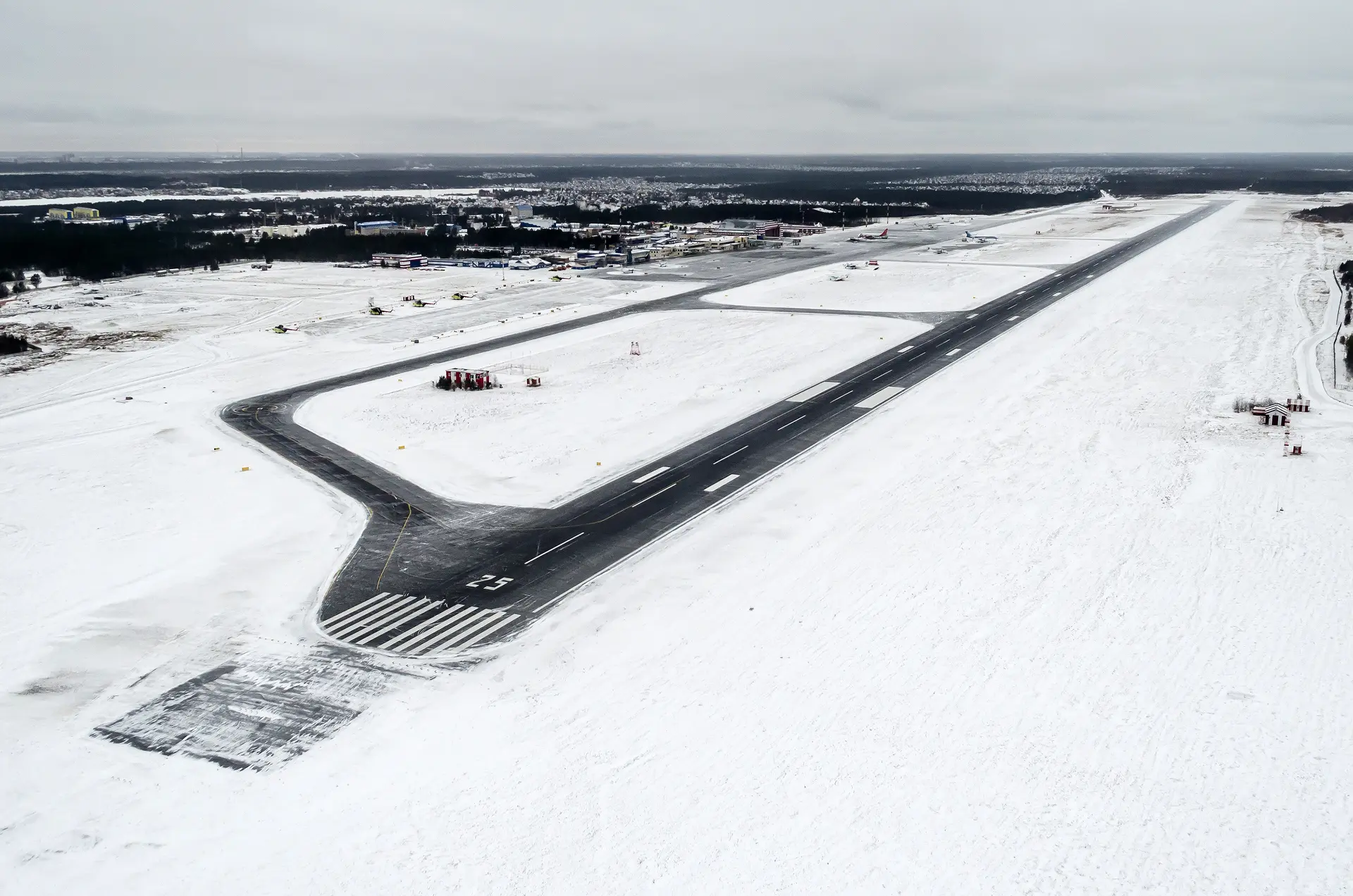
Runway contaminants like standing water, dry & wet snow, slush or ice have been considered as contributing factors in many safety occurrences at aerodromes and play a significant role in winter operations.
Moreover, non-standardized way of runway surface condition assessment and reporting was also a contributing factor in many safety events – especially in those ones related to aerodrome’s maneuvering areas, before Sep 2021.
The Global Reporting System involves aerodrome stakeholders working together to assess runway conditions and presenting runway condition information in a standard format which can be used by aircraft operators to determine aeroplane take-off and landing performance. The main goal is a global reduction in runway excursion and other adverse weather related occurrences.
The methodology for assessing and reporting runway surface conditions is centred around Runway Condition Report (RCR). The RCR is a comprehensive standardised report relating to runway surface conditions and its effect on the aeroplane landing and take-off performance. The Runway Condition Report has been designed to report runway surface condition in a standardised manner. The RCR shall be promulgated via ATC using standard radio telephony by Aerodrome Inspectors and ATIS if applicable, and by AIS who will publish the RCR via SNOWTAM as defined in applicable documents (i.e. PANS-AIM, Doc 10066).
This methodology will be presented by an experienced Runway Inspector.
Read more
Runway contaminants like standing water, dry & wet snow, slush or ice have been considered as contributing factors in many safety occurrences at aerodromes and play a significant role in winter operations.
Moreover, non-standardized way of runway surface condition assessment and reporting was also a contributing factor in many safety events – especially in those ones related to aerodrome’s maneuvering areas, before Sep 2021.
The Global Reporting System involves aerodrome stakeholders working together to assess runway conditions and presenting runway condition information in a standard format which can be used by aircraft operators to determine aeroplane take-off and landing performance. The main goal is a global reduction in runway excursion and other adverse weather related occurrences.
The methodology for assessing and reporting runway surface conditions is centred around Runway Condition Report (RCR). The RCR is a comprehensive standardised report relating to runway surface conditions and its effect on the aeroplane landing and take-off performance. The Runway Condition Report has been designed to report runway surface condition in a standardised manner. The RCR shall be promulgated via ATC using standard radio telephony by Aerodrome Inspectors and ATIS if applicable, and by AIS who will publish the RCR via SNOWTAM as defined in applicable documents (i.e. PANS-AIM, Doc 10066).
This methodology will be presented by an experienced Runway Inspector.
Driving on the aerodrome maneuvering area — OPS proficiency check & GAPPRI workshop
A practical workshop combining an OPS proficiency check with GAPPRI recommendations — for all aerodrome staff operating on the maneuvering area.
Read more
A practical workshop combining an OPS proficiency check with GAPPRI recommendations — for all aerodrome staff operating on the maneuvering area.
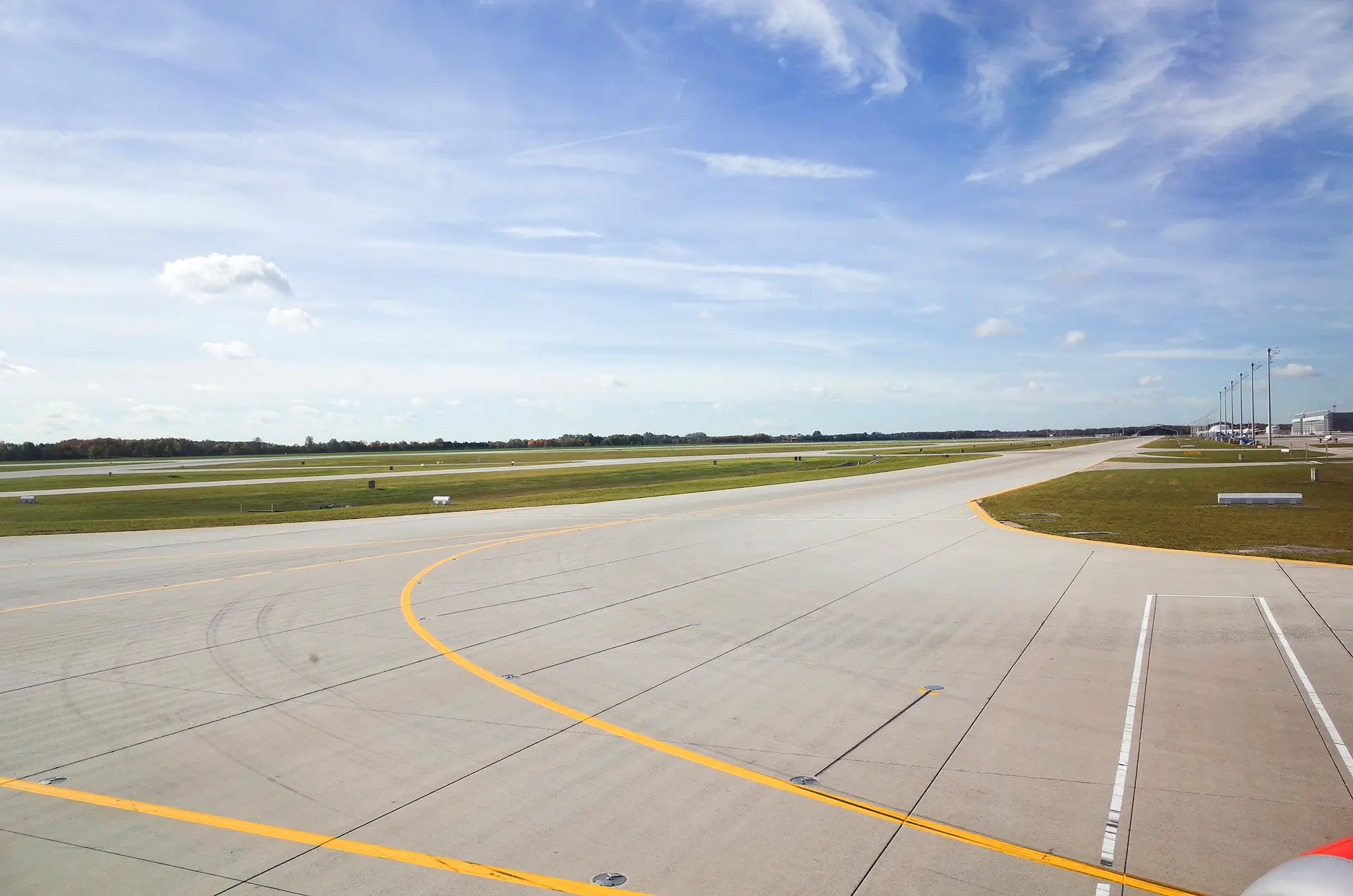
Runway incursions are among the most persistent threats to aviation safety. ICAO places them among the five highest-risk categories of events that must be addressed to reduce the possibility of aviation fatalities. As air traffic operations increase, the risk of runway incursions is likely to increase unless new safety defences are implemented.
The GAPPRI recommendations are based on an analysis of multiple global and regional datasets combined with operational expertise — covering both hazardous events and normal operations. GAPPRI Part I contains agreed recommendations for aerodrome operators, air navigation service providers, aircraft operators, manufacturers and regulators. GAPPRI Part II provides explanatory and guidance material and related best practices.
This course covers:
- Communication errors as a contributing factor in runway occurrences
- Real case discussions from around the world
- Apron, taxiway and runway phraseology & terminology
- Markings, signs, equipment and hotspot analysis
- Standard calls, readbacks and position reports
- Taxi, hold, cross and other position reports
- Emergency phrases
- Handling conflicting and unclear instructions
- Managing overloaded frequencies
- Stress situations and unexpected developments
- Error analysis and debriefings
Read more
A practical workshop combining an OPS proficiency check with GAPPRI recommendations — for all aerodrome staff operating on the maneuvering area.
Runway incursions are among the most persistent threats to aviation safety. ICAO places them among the five highest-risk categories of events that must be addressed to reduce the possibility of aviation fatalities. As air traffic operations increase, the risk of runway incursions is likely to increase unless new safety defences are implemented.
The GAPPRI recommendations are based on an analysis of multiple global and regional datasets combined with operational expertise — covering both hazardous events and normal operations. GAPPRI Part I contains agreed recommendations for aerodrome operators, air navigation service providers, aircraft operators, manufacturers and regulators. GAPPRI Part II provides explanatory and guidance material and related best practices.
This course covers:
- Communication errors as a contributing factor in runway occurrences
- Real case discussions from around the world
- Apron, taxiway and runway phraseology & terminology
- Markings, signs, equipment and hotspot analysis
- Standard calls, readbacks and position reports
- Taxi, hold, cross and other position reports
- Emergency phrases
- Handling conflicting and unclear instructions
- Managing overloaded frequencies
- Stress situations and unexpected developments
- Error analysis and debriefings
Airport Operations and Aircraft Characteristics
An operational course covering the impact of aircraft characteristics on aerodrome infrastructure — for aerodrome operators looking to identify hotspots and procedural gaps.
Read more
An operational course covering the impact of aircraft characteristics on aerodrome infrastructure — for aerodrome operators looking to identify hotspots and procedural gaps.
Identification of hotspots and weak points on the maneuvering area, combined with aircraft basic characteristics, allows aerodrome operators to avoid many operational risks. Evaluation of ground markings, procedural gaps and personnel training records helps address threats related to runway, taxiway and apron operations.

Read more
An operational course covering the impact of aircraft characteristics on aerodrome infrastructure — for aerodrome operators looking to identify hotspots and procedural gaps.
Identification of hotspots and weak points on the maneuvering area, combined with aircraft basic characteristics, allows aerodrome operators to avoid many operational risks. Evaluation of ground markings, procedural gaps and personnel training records helps address threats related to runway, taxiway and apron operations.
Aerodrome Safeguarding
A regulatory course covering obstacle limitation surfaces and the new ICAO Annex 14 requirements effective as of 2030 — for aerodrome operators and safety managers.
Read more
A regulatory course covering obstacle limitation surfaces and the new ICAO Annex 14 requirements effective as of 2030 — for aerodrome operators.
Obstacle limitation surfaces define the limits to which objects may project into the airspace. Each surface is related to one or more phases of flight and provides protection to aircraft during that phase. The effective utilisation of an aerodrome may be considerably influenced by natural features and man-made constructions outside its boundary — resulting in limitations on distances available for take-off and landing and on the range of meteorological conditions in which operations can be undertaken.
Air operations require permanent monitoring and assessment of the aerodrome environment for developments that may adversely affect safety or the regularity of operations. This course presents current regulations and introduces the new ICAO Annex 14 requirements effective 2030, covering OLS design, identification of penetrations and monitoring of aerodrome surroundings.

Read more
A regulatory course covering obstacle limitation surfaces and the new ICAO Annex 14 requirements effective as of 2030 — for aerodrome operators.
Obstacle limitation surfaces define the limits to which objects may project into the airspace. Each surface is related to one or more phases of flight and provides protection to aircraft during that phase. The effective utilisation of an aerodrome may be considerably influenced by natural features and man-made constructions outside its boundary — resulting in limitations on distances available for take-off and landing and on the range of meteorological conditions in which operations can be undertaken.
Air operations require permanent monitoring and assessment of the aerodrome environment for developments that may adversely affect safety or the regularity of operations. This course presents current regulations and introduces the new ICAO Annex 14 requirements effective 2030, covering OLS design, identification of penetrations and monitoring of aerodrome surroundings.
Aerodrome Inspector training - combined with Winter OPS & construction works supervision.
A comprehensive training covering airside inspection duties, winter operations and the inspector’s role during construction works and emergency response.
Read more
A comprehensive training covering airside inspection duties, winter operations and the inspector’s role during construction works and emergency response.
This course covers:
- Identifying non-compliances and hazards during airside inspections and taking the necessary corrective actions
- Supervision of airport partners’ activities to ensure compliance and safety
- Winter operations workflow and cooperation between APOC, ATC and the Airside Inspector
- The role of the Airside Inspector during construction works
- Airside Inspector as a First Response Team member
- Implementation and improvement of procedures and instructions related to airside activities

Read more
A comprehensive training covering airside inspection duties, winter operations and the inspector’s role during construction works and emergency response.
This course covers:
- Identifying non-compliances and hazards during airside inspections and taking the necessary corrective actions
- Supervision of airport partners’ activities to ensure compliance and safety
- Winter operations workflow and cooperation between APOC, ATC and the Airside Inspector
- The role of the Airside Inspector during construction works
- Airside Inspector as a First Response Team member
- Implementation and improvement of procedures and instructions related to airside activities
years of aviation experience
airports visited
occurrences investigated
Whether it’s runway safety, winter operations or aerodrome inspection — I deliver hands-on training across Europe and beyond.
Let's discuss your training needs.
Let's discuss your training needs.
Whether it’s runway safety, winter operations or aerodrome inspection — I deliver hands-on training across Europe and beyond.
Whether it’s runway safety, winter operations or aerodrome inspection — I deliver hands-on training across Europe and beyond.